
- December 21, 2025
- Posted by: Anita Zeba Bakhtiar
- Category: Apartment Living
In this fast-changing urban environment that we are currently residing in, building managers play an important role far beyond routine maintenance. From natural disasters to security threats, any sort of crisis can arise without warning. Effective crisis management is about quick response, preparedness, leadership, and clear communication.
1. Understanding What Constitutes a Crisis
A crisis is any unexpected event that threatens the safety of occupants, disrupts operations, or causes damage to property and wealth. Common building-related crises can include fires, earthquakes, flooding, power outages, elevator failures, gas leaks, and security incidents. Recognizing potential risks in advance helps managers plan smarter so that they can respond faster.
2. Preparedness Is Key
To effectively manage a crisis, building managers should develop a comprehensive crisis management plan that includes evacuation procedures, emergency contacts, roles and responsibilities, and coordination with local authorities. Regular safety audits, equipment checks, and emergency drills ensure that both staff and residents know what to do when it matters most.
3. Clear Communication Saves Lives
During a crisis, confusion can raise panic and alarm amongst residents. Building managers must communicate quickly, calmly, and clearly. Using multiple channels—public address systems, SMS alerts, notice boards, or building apps—helps ensure messages reach everyone. Instructions should be simple, direct, and consistent, focusing on safety first.
4. Strong Leadership During Emergencies
A calm, decisive approach helps maintain order and trust in stressful situations. Assigning trained team members to specific tasks will allow you to keep the response to that crisis organized and efficient.

5. Coordination with Emergency Services
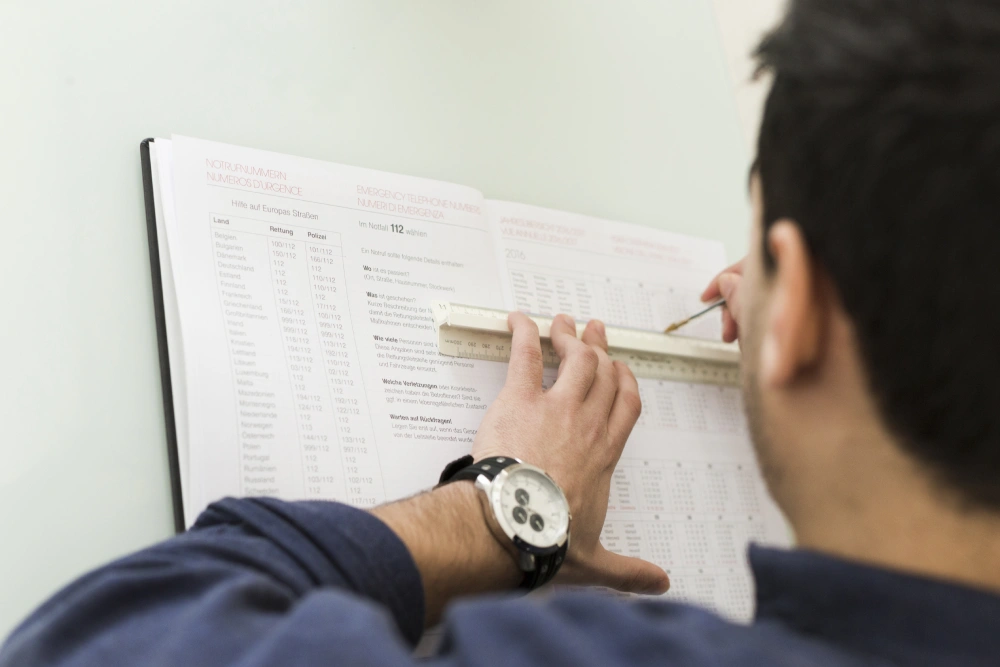
Building managers should maintain updated contact details for fire services, medical facilities, police, utility providers, and maintenance vendors. Sharing building layouts, access points, and system details with emergency responders can largely reduce response time and damage during any crisis.
6. Post-Crisis Assessment and Recovery
Once the immediate danger has passed, the focus shifts to recovery. This includes assessing damage, restoring essential services, documenting incidents, and communicating updates to residents. A post-crisis review is equally important—it helps identify gaps in preparedness and improves future response plans.
7. Training and Continuous Improvement
Crisis management is an ongoing process. Regular training sessions for staff, refresher drills for residents, and updates to emergency protocols ensure preparedness. Learning from past incidents—both from internal and external sources—strengthens resilience.
Crisis management is a vital responsibility for building managers, directly impacting safety, trust, and long-term property value. By planning ahead, communicating effectively, and leading with confidence, building managers can turn challenging situations into well-managed responses. In times of crisis, preparedness doesn’t just reduce damage—it protects lives.