
- March 15, 2026
- Posted by: Mrinmoy Ghosh
- Category: Tips
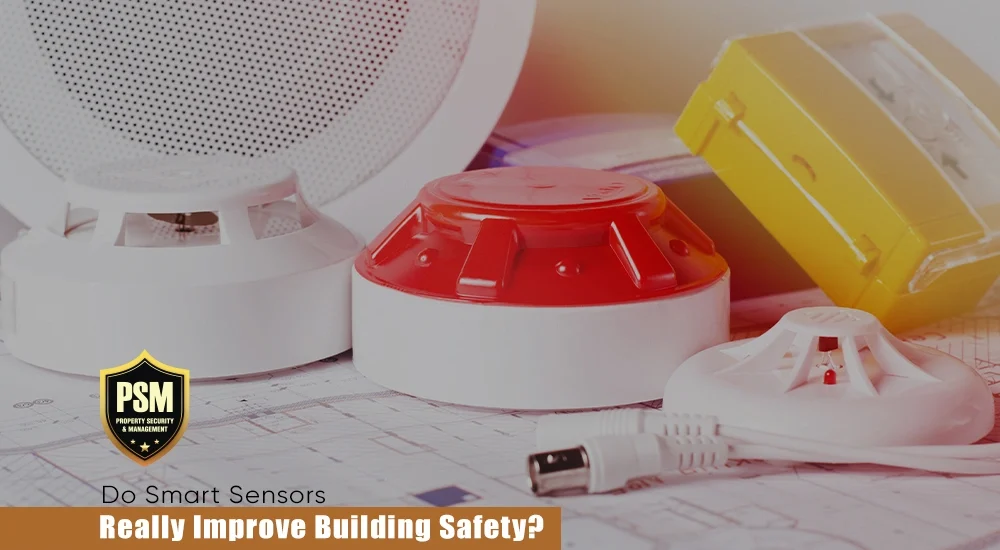
As cities grow and buildings become increasingly high-tech, safety is at the top of the list for building owners, developers, and residents. From fires to security threats, buildings today are facing a wide range of possible threats that need to be monitored and acted on quickly. The latest technology to become an essential part of intelligent buildings is smart sensor technology. The real question is: do smart sensors make buildings safer? The answer to this lies in understanding the functionality of smart sensors and how they contribute to safer and more efficient buildings.
What Are Smart Sensors in Buildings?
Smart sensors are electronic devices that sense changes in the environment and transmit data to a central system or a central hub. While traditional sensors send out alarms when there are changes in the environment, smart sensors are connected to intelligent systems that can process data and react to it. In modern buildings, smart sensors can monitor many changes in the environment, including
- Smoke and fire detection
- Gas leak detection
- Water leak detection
- Temperature changes
- Movement of the building’s structure
- Unwanted entries
By monitoring these changes in the environment, smart sensors allow building teams to detect changes and react to them before serious threats arise.
Early Detection of Fire Hazards
Smart sensors are revolutionizing building safety, particularly when it comes to fire safety. The traditional smoke detectors react to smoke after it reaches a certain level.
On the other hand, smart fire detectors feature multiple sensors that monitor smoke, heat, and even changes in the chemistry of the air. These sensors quickly identify unusual changes and alert authorities or building management at once. In many new buildings, multiple sensors are connected to a central safety system that can activate alarms, sprinklers, and even guide people to exits. The early detection of fires minimizes the damage and saves lives.
Water Leak and Flood Prevention
Water damage is a serious issue when it comes to safety and maintenance, both at residential and commercial levels. Leaks in water pipes can cause silent destruction to a building, which can result in mold growth if not detected on time.
Smart water sensors detect water leaks or unusual moisture levels in areas such as basements, bathrooms, kitchens, or areas around machinery. If a leak is detected, smart water sensors can notify the concerned personnel immediately or even turn off the water supply.
Such a measure is crucial to protect a building.
Improved Security Monitoring
Smart sensors are an important component of security in buildings. Motion detectors, door sensors, and surveillance systems work together to identify suspicious activities and notify security personnel immediately.
If we consider an unauthorized entry into a restricted area, sensors can trigger alarms, activate surveillance cameras, and send notifications to the concerned individuals in charge of the buildings. In residential buildings like homes and apartments, smart door systems can be used to ensure that only authorized individuals gain access to certain areas.
This real-time monitoring minimizes the risk of security breaches and ensures a safer environment for living and working.
Structural Health Monitoring
In large or tall buildings, maintaining a sound structure is a critical safety measure. It is possible to install smart sensors that monitor any form of vibration, change in structure, or unusual pressure experienced in any part of the structure. The sensors will ensure that there is a constant flow of information, which will help engineers recognize any signs of trouble.
Recognizing any weaknesses will help them take necessary action before a problem occurs. This is particularly necessary in buildings that are prone to earthquakes or street vibrations or are old.
Faster Emergency Response
Another major advantage of smart sensors is their role in quickening emergency responses. This is because, through their connection to building management platforms, emergency responses are dispatched to the right people in an instant. Rather than waiting to spot an emergency situation, smart sensors automatically dispatch emergency responses to:
- Building management teams
- Security teams
- Maintenance teams
- Emergency services
At other times, the system might trigger emergency responses such as opening emergency doors, activating ventilation systems, and stopping elevators during an emergency situation. Speed is crucial in emergency situations since it can save a lot of damage and protect lives.
Integration with Smart Building Systems
In today’s buildings, there is a growing trend towards integrated smart systems in which sensors interact with lighting systems, HVAC systems, and security systems. To illustrate this, if there were a fire detected in a given area through the smoke detector sensors, the building management system can react in the following ways:
- Trigger alarms
- Activate emergency lighting
- Switch off ventilation systems to minimize the spread of smoke
- Guide the occupants through the safest evacuation route
Challenges and Considerations
While smart sensors have real advantages, they are only one piece of the puzzle. Real building safety comes from a combination of technology, upkeep, and a competent team with good leadership.
Challenges to watch out for:
System upkeep: Sensors have to be regularly checked to ensure they are giving accurate readings.
Cyber security: Smart sensors are connected to the network, so security is an important aspect to be concerned with.
Costs: Smart sensor systems can be costly to install compared to traditional safety systems.
The advantages of smart sensor systems outweigh the challenges.
The Future of Smart Building Safety
As technology continues to improve, smart sensors are not only becoming smarter but also more affordable. There is also an integration of artificial intelligence and predictive analytics into building safety systems. This allows smart building safety systems to identify patterns and predict potential risks. Looking ahead into the future, smart building safety systems could potentially predict equipment failures, unusual energy consumption, or safety issues. As smart cities continue to emerge, smart sensors are likely to play an even larger role in building safety.
Final Thoughts
Do smart sensors really improve the safety of buildings? The answer is a resounding yes. Smart sensors do improve safety by allowing early detection and faster emergency responses, thereby creating a safety net for today’s buildings.
Technology alone is not the answer to safety perfection, but incorporating smart sensors into a building’s system is a major improvement in safety and accident prevention.
As buildings are made smarter and more interconnected, the use of intelligent safety becomes a must instead of a choice—it is a pillar of forward-thinking and responsible design.