
- January 18, 2026
- Posted by: Anita Zeba Bakhtiar
- Category: Apartment Living
In a city like Dhaka that is bustling with people, night time is when buildings find themselves at their most vulnerable state, since that is when security risks are the highest. Night brings reduced visibility, fewer people around, and slower response times—making it crucial for residential and commercial buildings to have robust security measures in place. When we choose a home or an office, maintaining building security at night is about preventing crime and about ensuring peace of mind for residents inside.
Most security breaches occur after dark, when unauthorized entry is easier and surveillance can easily be compromised. Effective night-time security protects residents, assets, and buildings while reinforcing a sense of trust and comfort within the community/ neighborhood.
1. Use Sufficient Lighting
Proper lighting is one of the simplest but most powerful security tools. Well-lit entrances, parking areas, stairwells, and walkways discourage intruders from trying to break and enter. Motion-sensor lighting, if available, will add an additional layer of protection by drawing attention to unexpected movement.
2. Well-Trained Security Personnel
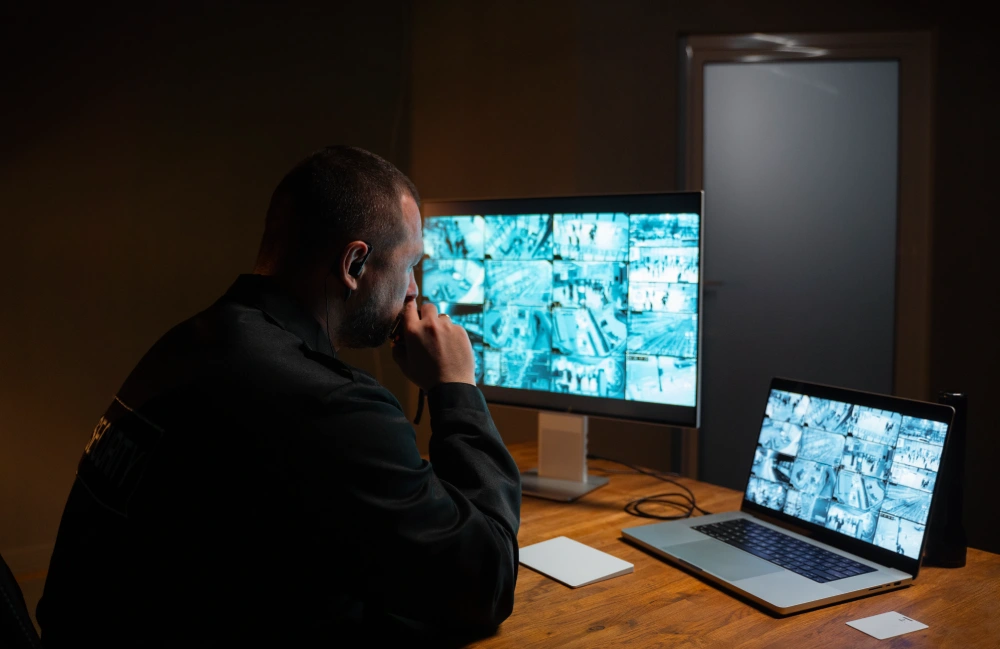
Security guards play a critical role during night hours. Guards should be well-trained to handle emergencies, monitor surveillance systems, conduct regular patrols, and manage visitor access. Proper shift handovers and logbooks help maintain accountability and continuity throughout the night.
3. Controlled Access After Hours
Restricting access points after hours is highly essential. Entry should be limited to designated doors, monitored by guards or access-control systems. Visitor verification, intercom systems, and digital access cards help ensure that only authorized individuals are allowed to enter the premises.
4. Reliable Surveillance
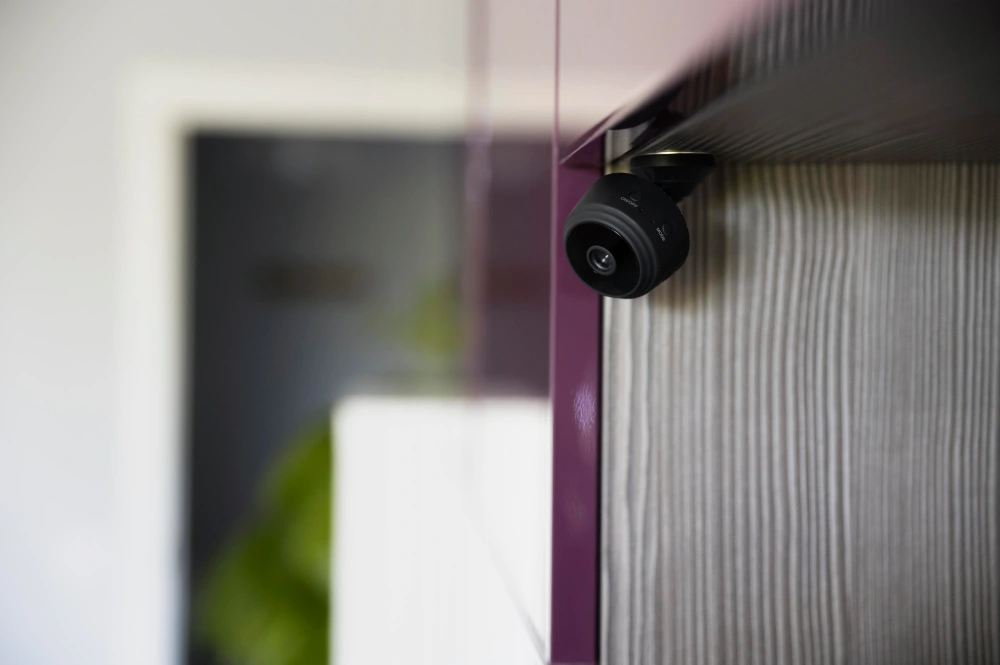
CCTV cameras act as both a scare tactic and an investigative tool. Cameras should cover entrances, lifts & lift lobbies, corridors, rooftops, and parking zones, with night-vision capability and regular system checks to ensure that they are providing full coverage 24/7.
5. Secure Common Areas and Perimeters
All doors, windows, rooftops, and emergency exits should be locked and inspected before nightfall. Weak points such as broken locks or damaged fences should be repaired immediately to prevent easy access.
6. Emergency Readiness
Night security teams must be prepared for unexpected situations. Emergency contact numbers should be readily available, and guards should be trained to respond to fire alarms, medical emergencies, or suspicious activity swiftly and calmly.
7. Engaging Residents
Security is a shared responsibility. Encouraging residents to stay alert, report unusual behavior, and avoid granting access to unknown individuals significantly strengthens overall night-time safety.
8. Regular Security Audits
Periodic reviews conducted at night can help to identify blind spots, lighting issues, or procedural gaps. These audits ensure that security measures remain effective and up to date.
Maintaining building security at night requires a proper balance of people, technology, and awareness. When proactive measures are consistently applied, buildings become safer, more resilient, and more comfortable places to live and work at all times of day.